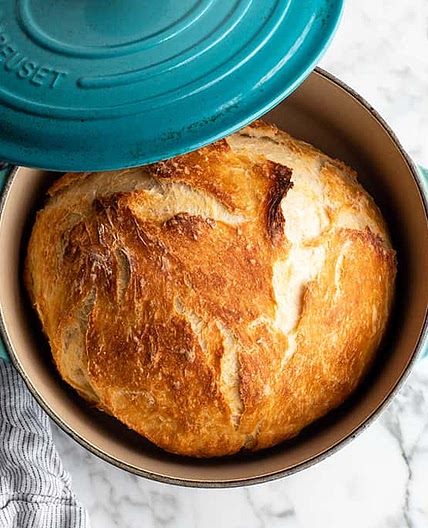
SAME-DAY STRAIGHT PIZZA DOUGH
100%
0
Nutrition balance score
Unbalanced
Glycemic Index
75
High
Nutrition per recipe
Calories3656.8 kcal (183%)
Total Fat14.8 g (21%)
Carbs773 g (297%)
Sugars0 g (0%)
Protein109 g (218%)
Sodium5919.9 mg (296%)
Fiber0 (0%)
% Daily Values based on a 2,000 calorie diet


Instructions
Step 1
Hydrate the yeast Measure 700 grams of water at 90°F to 95°F (32°C to 35°C) into a container
Step 2
Put 2 grams of yeast in a separate, small container
Step 3
Add about 3 tablespoons of the 90°F to 95°F (32°C to 35°C) water to the yeast and set aside
Step 4
Autolyse Combine the 1,000 grams of flour and the remaining 90°F to 95°F (32°C to 35°C) of water in a 12-quart round tub
Step 5
Mix by hand just until incorporated
Step 6
Cover and let rest for 20 to 30 minutes
Step 7
Mix Sprinkle the 20 grams of salt over the top of the dough
Step 8
Stir the yeast mixture with your finger, then pour it over the dough
Step 9
Use a small piece of the autolysed mixture to wipe the remaining yeast goop from its container, then throw it back in the tub
Step 10
Mix by hand, wetting your working hand before mixing so the dough doesn't stick to you
Step 11
(It's fine to rewet your hand three or four times while you mix
Step 12
) Reach underneath the dough and grab about one-quarter of it
Step 13
Gently stretch this section of dough and fold it over the top to the other side of the dough
Step 14
Repeat three more times with the remaining dough, until the salt and yeast are fully enclosed
Step 15
Use the pincer method (see page 67) alter- nating with folding the dough to fully inte- grate the ingredients
Step 16
Cut and fold, cut and fold
Step 17
The target dough temperature at end the of the mix is 77°F to 78°F (25°C to 26°C)
Step 18
Fold This dough needs one fold (see pages 69-70 for instructions)
Step 19
It's best to apply the fold 30 to 60 minutes after mixing
Step 20
After folding,
Step 21
lightly coat the dough and the bottom of the tub with olive oil to help prevent sticking.
Step 22
When the dough is about double its origi- nal volume, about 6 hours after mixing, it's ready to be divided
Step 23
Divide
Step 24
Moderately flour a work surface about 2 feet wide.
Step 25
With floured hands, gently ease the dough out of the tub.
Step 26
With your hands still
Step 27
Aloured, pick up the dough and ease it back down onto the work surface in a somewhat even shape.
Step 28
Dust the entire top of the dough with flour, then cut it into 5 equal-size pieces with a dough knife or plastic dough scraper.
Step 29
Each piece should weigh about 340 grams; you can eyeball it or use a scale.
Step 30
(If you plan to use any of the dough for thin-crust iron-skillet pizza or focaccia, divide that portion of the dough into 200-gram pieces.
Step 31
Shape the dough into balls
Step 32
Shape each piece of dough into a medium-tight round following the instructions on pages 71-73, working gen- tly and being careful not to degas the dough.
Step 33
Refrigerate
Step 34
Put the dough balls on a lightly floured baking sheet, leaving space between them to allow for expansion.
Step 35
Lightly oil or flour the tops, cover with plastic wrap, and let rest at room temperature for 30 to 60 minutes.
Step 36
Refrigerate for at least 30 minutes to make the dough easier to shape.
Step 37
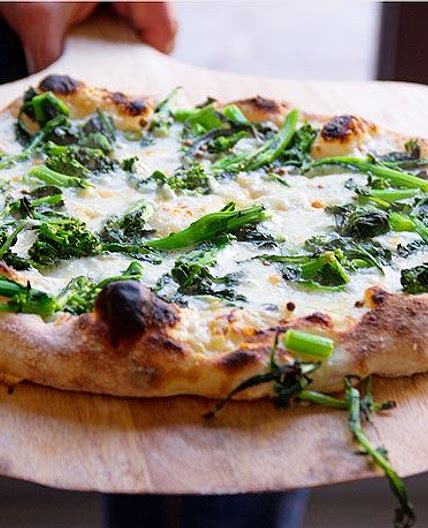
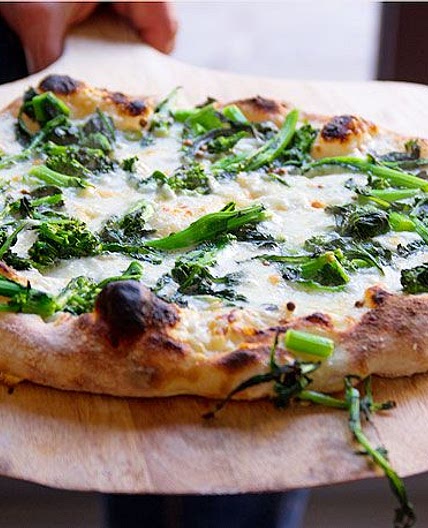
See chapter 14 for instructions for shap- ing, topping, and baking pizzas.
Step 38
Stored in the refrigerator and tightly covered, any leftover dough will keep for up to 2 days.
Step 39
You may pre fer the next-day dough as it develops flavors with more time in the refrigerator.
Notes
0 liked
1 disliked
There are no notes yet. Be the first to share your experience!