Log in
Use App
Log in
Jerri Andreasen
By Jerri Andreasen

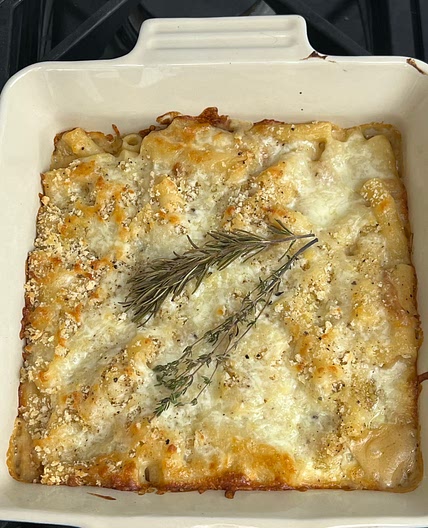
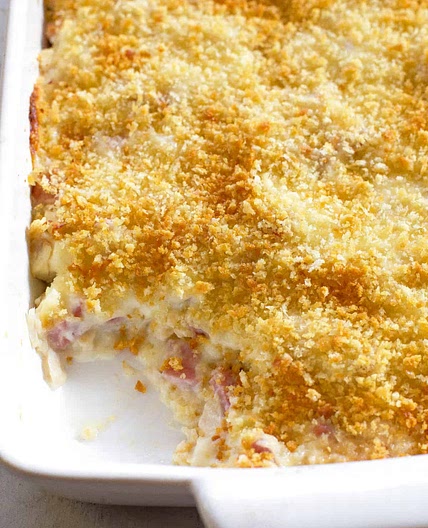
Silky Smooth Macaroni and Cheese

7 steps
Prep:10minCook:20min
This recipe has been one of the most popular in Modernist Cuisine since that book appeared. Use it as a template to create your own version of a refined mac and cheese. There are so many potentially great cheese mixes and accompaniments that it was hard to pick just the six that we have space for here. Elbow macaroni is the classic pasta for mac and cheese, but any kind of pasta works. Those varieties having a rough surface hold the sauce better. Although cheese lovers might be tempted to boost the sauce-to-pasta ratio, keep in mind that the sauce is very rich. A little goes a long way.
Updated at: Thu, 17 Aug 2023 05:07:28 GMT

Nutrition balance score

Unbalanced
Glycemic Index
54
Low
Glycemic Load
21
High

Nutrition per serving

Calories408.2 kcal (20%)
Total Fat19.7 g (28%)
Carbs37.9 g (15%)
Sugars1.6 g (2%)
Protein19.3 g (39%)
Sodium891.5 mg (45%)
Fiber1.6 g (6%)
% Daily Values based on a 2,000 calorie diet

Instructions

Step 1
Combine water/milk and sodium citrate in a pot, whisk to dissolve, and bring to a simmer over medium heat.
Step 2
Add cheese into the simmering liquid gradually, blending each addition with an immersion blender until melted and completely smooth. Also add garlic powder, if desired.
Step 3
Bring a large pot of water to a boil.
Step 4
Add dry pasta and boil until al dente according to the package directions, 5-6 minutes.
Step 5
Drain. Do not rinse the pasta.
Step 6
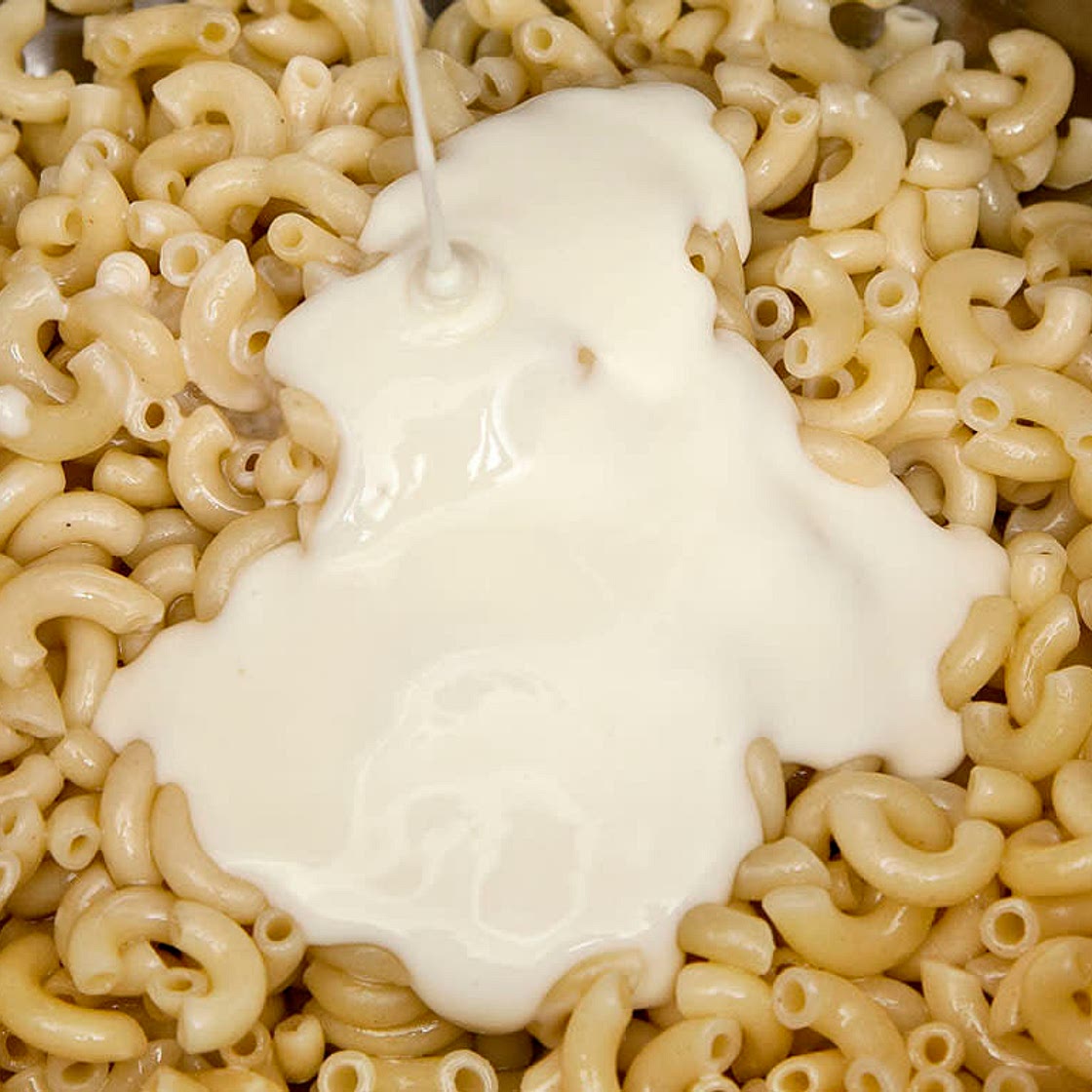
Stir in the warm cheese sauce, and fold in any accompaniments you wish to add.
Step 7
Season the mac and cheese, and serve it immediately.
View on Modernist Cuisine
Support creators by visiting their site 😊

Notes

1 liked
0 disliked
Notes from original recipe: Sodium citrate is a sodium salt of citric acid, which is found naturally in citrus fruits. You cannot substitute citric acid for sodium citrate in this recipe. Sodium citrate allows the proteins in the cheese sauce to become more soluble without lowering the pH of the sauce, which creates a smooth emulsion without curdling. Citric acid will lower the pH level and will result in a soupy or grainy texture instead of a silky emulsion. Both sodium citrate and citric acid are referred to as “sour salt” and can be found in the kosher section of grocery stores. They are, however, different, so be sure to check the label in order to select the right one. You can also find various brands of sodium citrate online, such as WillPowder and Artistre, among others. Whisk the sodium citrate into the water or milk until it’s fully dissolved before bringing the mixture to a simmer. Add the cheese to the simmering liquid slowly, about one spoonful at a time. Use an immersion blender to blend each spoonful of cheese until it has become completely smooth and melted. If the emulsion breaks, bring the mixture to a full boil and then continue processing it with the immersion blender. The mixture should pull together. If this fails, add a spoonful of heavy cream and try again. Set the cheese sauce aside or refrigerate it while you cook the pasta. It will last up to one week when refrigerated, or up to two months when frozen. This recipe works great with a variety of cheeses, so use whatever combination you like. Some of our favorites include using Jack and Stilton and folding in roasted bell peppers and wilted baby spinach; Gorgonzola and fontina with walnuts and sautéed mushrooms; Gruyère with roasted cauliflower and roasted tomatoes; sharp cheddar and Swiss with roasted apple and crispy bacon bits; and goat Gouda and cheddar with caramelized onions and black olives. The possible combinations are endless!