
By Gail Lawson
Homemade Miso Soup with Tofu
12 steps
Prep:5minCook:15min
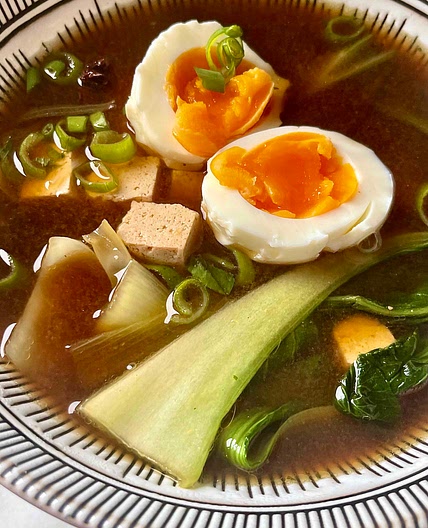
Authentic Japanese miso soup made with homemade awase dashi (kombu + katsuobushi), then finished with miso, silken tofu, wakame, and green onion. Easy and nourishing.
Updated at: Mon, 27 Apr 2026 21:04:28 GMT
Nutrition balance score
Uh-oh! We're unable to calculate nutrition for this recipe because some ingredients aren't recognized.
Ingredients
4 servings

4 cupswater

1 piecekombu
dried kelp, 10 g per piece, 4 x 4 inches or 10 x 10 cm

1 cupkatsuobushi
dried bonito flakes, packed, used a loosely packed 3 cups in the video for stronger flavor

Miso Soup
For the

7 ozsoft silken tofu
kinugoshi dofu

4 Tbspmiso
use 1 Tbsp, 18 g for every 1 cup, 240 ml of dashi

1 Tbspdried wakame seaweed

1green onion
scallion
Instructions
Step 1
To Make the Dashi (can make in advance)
Step 2
1. Add 4 cups water and 1 piece kombu (dried kelp) to a medium saucepan. If you have time, soak the kombu in water for 30 minutes. (Even better, soak it overnight in the fridge). NEVER wash kombu and do not remove the white substance—that’s umami!
Step 3
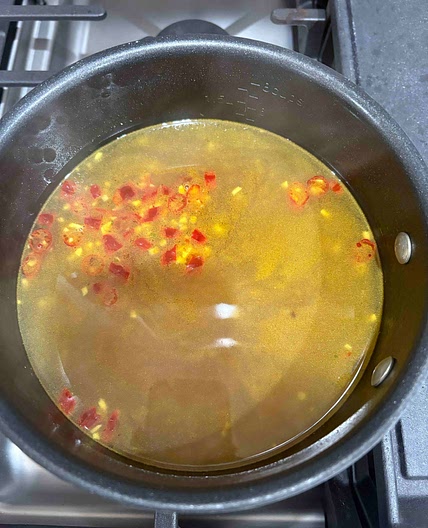
2. SLOWLY bring it to a boil (about 10 minutes) on medium-low heat so you can extract as much umami from the kombu as possible. Right before the stock boils, remove the kombu and set it aside for another use. (If you leave the kombu, it gets slimy and yields a bitter taste.) Now, what you have is Kombu Dashi. If you're vegetarian/vegan, use this kombu dashi for your miso soup.
Step 4
3. If you‘re not vegetarian/vegan, add 1 cup katsuobushi (dried bonito flakes) to the kombu dashi and bring it back to a boil again. Once the dashi is boiling, reduce the heat, simmer for just 30 seconds.
Step 5
4. Turn off the heat and let the katsuobushi sink to the bottom, about 10 minutes. Then, strain through a fine-mesh sieve.
Step 6
5. Now you have roughly 4 cups of Awase Dashi. You can store the dashi in the refrigerator for up to 3–5 days.
Step 7
To Make the Miso Soup
Step 8
7. Bring the dashi to a gentle simmer (do not boil). Add the wakame and mushrooms (if using them) and allow to GENTLY simmer (NEVER BOIL) until it expands, about 10 minutes.
Step 9
Add the tofu and gently simmer another 2 minutes.
Step 10
8. Turn off the heat. Dissolve the miso in a ladleful of hot dashi, then stir it back into the pot (do not boil after adding miso).
Step 11
9. Serve and top with sliced green onion/scallion.
Step 12

Dashi is good for only about 3-4 days in the fridge. Freeze in cubes for longer storage of about 3 months. Katsuobushi (flakes), must be used within 2 weeks of opening package as flavor oxidizes rapidly. Karebushi (block), is better to begin with, and can be shaved at home. Store plastic wrap + ziplock bag in fridge away from humidity and light. When purchasing Karebushi, look for 6+ months aged, plus process of smoking and fermenting with mold. Should only contain skipjack tuna (sometimes bonito). Avoid “Katsuo-style” mixes; they contain soy sauce + MSG. Available from high end Japanese markets like Mitsuwa Marketplace. When adding leafy greens or mushrooms to Miso Soup, add them to simmering dashi + cook a few minutes, before adding miso.
Soak dried Shitake mushrooms ahead of time. Rule of thumb for adding miso paste: 1 TB (18g) of miso paste per bowl of miso soup (200 ml). Add right before serving to preserve flavor + aroma. Before serving adding, bring dashi to a slow boil (about 205 degrees), then shut off heat and blend in the miso. By the time you’re ready to enjoy it, the soup will be at the perfect temp of about 167 degrees :))
When adding paste, TURN OFF HEAT beforehand to avoid killing all the microbial life. NEVER add to the pot of soup directly or it forms clumps. Use a small sieve inside the side of the pot to blend it in.
Notes
1 liked
0 disliked
There are no notes yet. Be the first to share your experience!