1/2
2/2
Leave a note

By Katya Lyukum
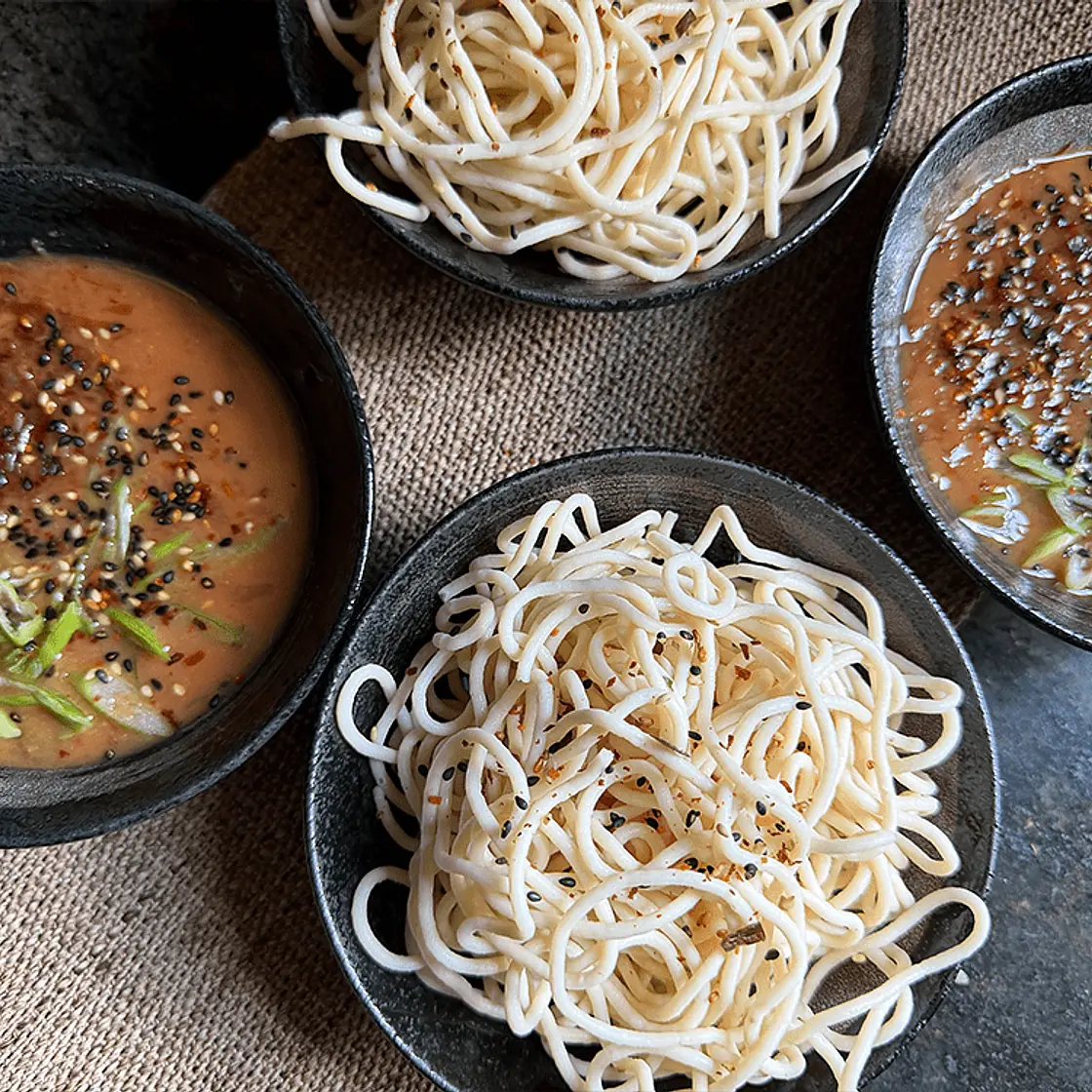
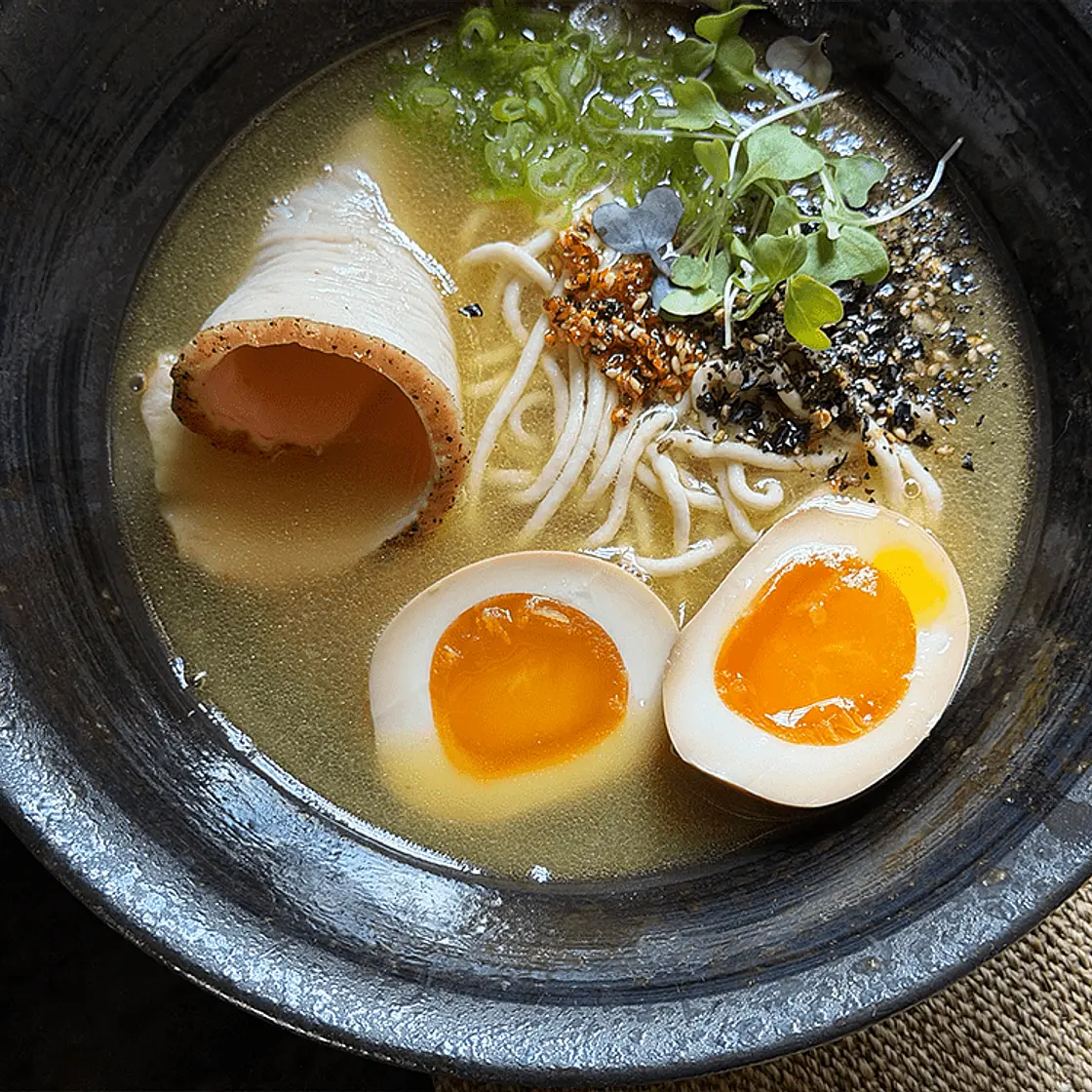
Chicken "Surimi" Noodles
10 steps
Prep:8hCook:2min
This recipe is inspired by 魚麺 (uomen) — a Japanese surimi noodle made from pollock, sold by Nissui as a high-protein, low-carb alternative to udon. I swapped fish for chicken thigh meat, just to see if it would work. It does.
The bouillon powder isn't just for seasoning — it reinforces the chicken flavor that otherwise gets diluted by the rice flour and starch.
Chicken is trickier than fish for this technique because of connective tissue; fish fillet has almost none, which is why this method usually stays in surimi territory.
Texture-wise, this is closer to ramen noodles than you'd expect — good ashi (the Japanese term for springy resistance to the bite), springy and toothsome, not mushy.
Updated at: Tue, 23 Jun 2026 17:00:15 GMT
Nutrition balance score
Unbalanced
Glycemic Index
79
High
Glycemic Load
21
High
Nutrition per serving
Calories253.6 kcal (13%)
Total Fat7.3 g (10%)
Carbs26.8 g (10%)
Sugars0.3 g (0%)
Protein19.3 g (39%)
Sodium1069.4 mg (53%)
Fiber0.4 g (1%)
% Daily Values based on a 2,000 calorie diet
Ingredients
6 servings


Instructions
Step 1
Clean the chicken of membranes and connective tissue that come off easily. Cut into smallish pieces and process with the salt and bouillon powder until relatively smooth. Keep the mixture below 12°C (53°F) throughout grinding.
Step 2
Gradually add the ice water.
Step 3
With the processor running, stream in the egg white, then the oil.
Step 4
Mix in the starches. Doing this by hand in a bowl is brutal — use the paddle attachment on a stand mixer instead. Don't make my mistake of doing it by hand first.
Step 5
Transfer to a covered container and refrigerate overnight. The starches need time to hydrate and the mixture needs to come together.
Step 6
Heat water until just below a simmer — no bubbles yet, around 80°C (176°F).
Step 7
No matter how well you clean the chicken beforehand, tiny bits of connective tissue survive grinding. Press the mixture through a potato ricer before piping — this catches all the stringy bits and keeps them from clogging your tip.
Step 8
The mixture is very dense. Pushing it through a 1mm piping tip is hard work, so don't load a full bag — work in small batches. Use two piping bags: fit one with the tip, and fill the second with a fist-sized portion of mixture. Nest the loaded bag inside the tipped one and pipe directly into the hot water. Refill and re-nest as you go.
Step 9
Lift the cooked noodles into empty containers to cool. They keep in the fridge up to 3 days, won't stick together (even piped in layers, or stored), and need no rinsing or oiling.
Step 10
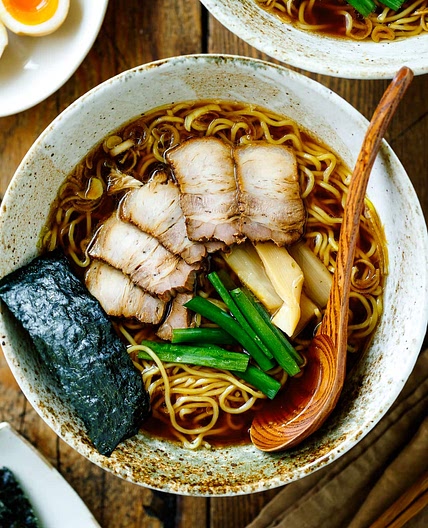
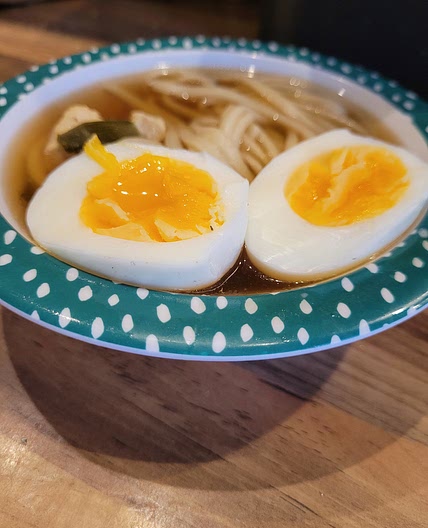
Serve in your favorite hot broth. Any chicken broth works. Tori paitan is spectacular.
Notes
0 liked
0 disliked
There are no notes yet. Be the first to share your experience!









![[BTS] JK’s Makguksu Recipe / Weverse Live / Jungkook’s Mukbang eating show / perilla oil Noodle](https://art.whisk.com/image/upload/fl_progressive,h_20,w_20,c_fill,dpr_2.0/v1622613142/favicon/12430f012c4b6b4a91c63cbf1369e1ff.jpg)