
By Bob Lenning
How To Make Soup from Any Vegetable
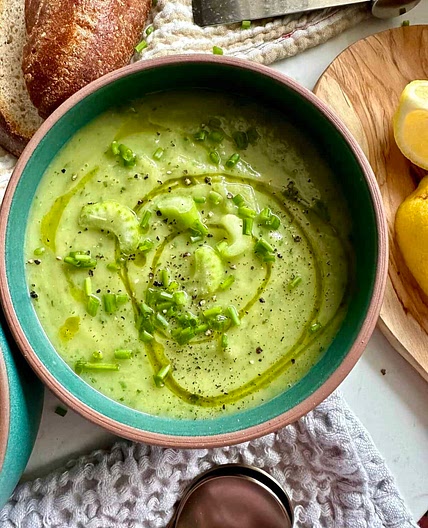
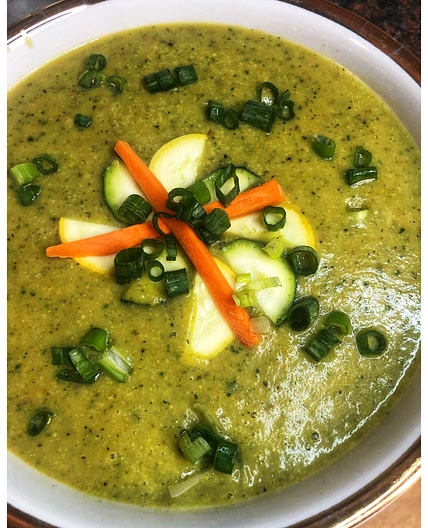
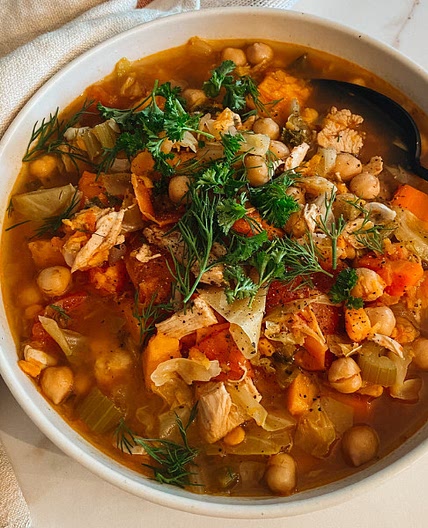
Clear out the crisper! With this formula, you can turn any number of vegetables into soup.
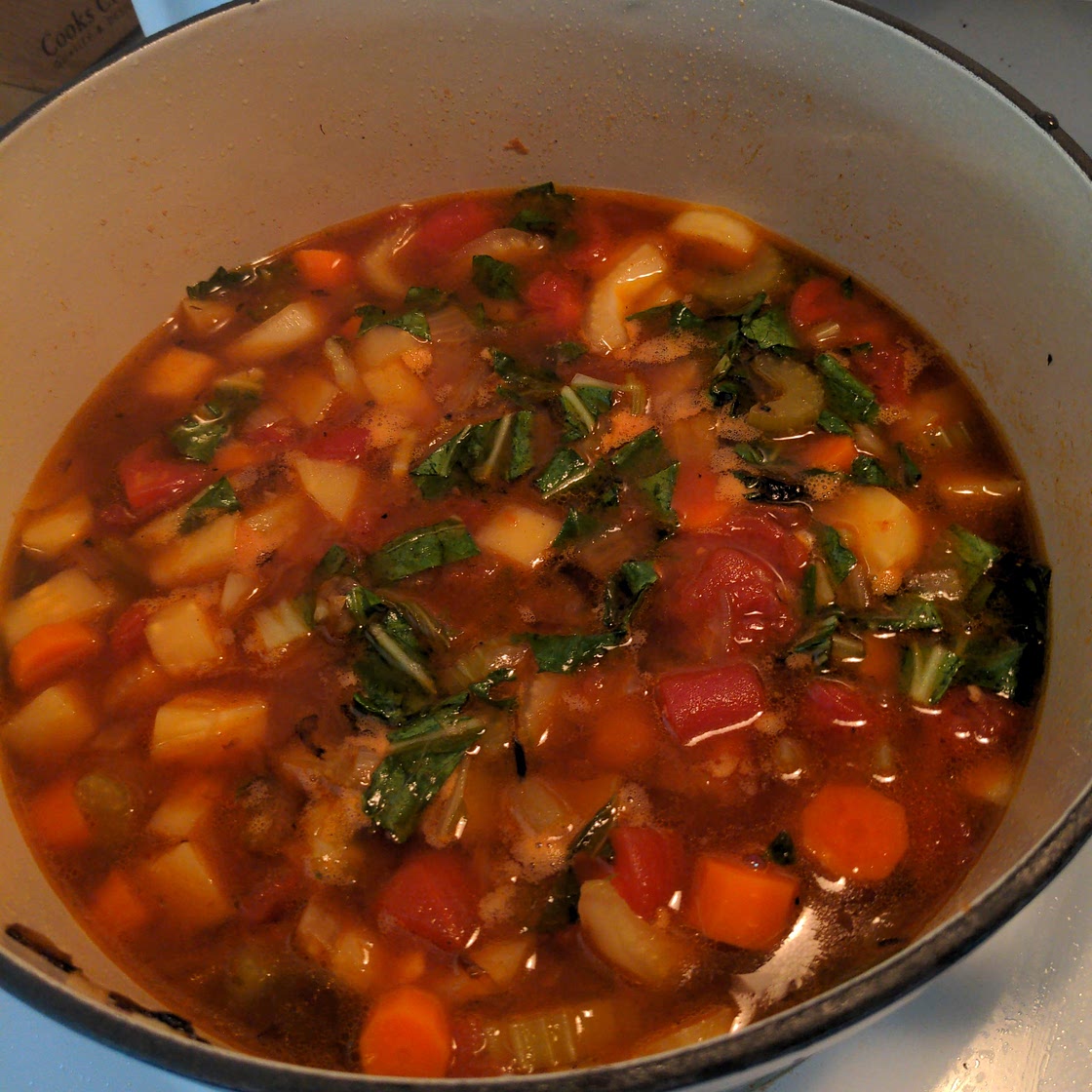
My own 1st try is pictured above. The vegetables are the result of the Day One cooking lesson from thekitchn.com on knife skills. I call it "Cooking Lesson Soup".
Updated at: Wed, 16 Aug 2023 20:26:48 GMT
Nutrition balance score
Great
Glycemic Index
41
Low
Glycemic Load
7
Low
Nutrition per serving
Calories120.6 kcal (6%)
Total Fat3.8 g (5%)
Carbs17.3 g (7%)
Sugars4.6 g (5%)
Protein4.5 g (9%)
Sodium805.8 mg (40%)
Fiber5.5 g (20%)
% Daily Values based on a 2,000 calorie diet
Ingredients
4 servings

1 poundsvegetables

onion
aromatics, such as, garlic, or leeks

olive oil
or unsalted butter

salt

pepper

4 cupslow-sodium broth
or stock
EQUIPMENT


Instructions
Step 1
Choose and weigh 1 to 2 pounds of vegetables. I had quite a lot of vegetables in my refrigerator. I chose the ones that needed to be used up the soonest: a small head of cauliflower and some carrots. I weighed them and they came out to about 2 pounds, although I knew the cauliflower would break down to much less when trimmed.
Step 2
Cut up the vegetables and aromatics. I chopped up the trimmed cauliflower and unpeeled carrots into evenly sized chunks. I also chopped up 1 leek and 2 cloves of garlic.
Step 3
Heat olive oil. I heated up about 1 tablespoon of olive oil in a Dutch oven over medium heat until shimmering.
Step 4
Sauté the aromatics. I added the leeks and garlic to the oil first and cooked gently until they were fragrant and soft, about 5 minutes.
Step 5
Brown the vegetables. Then I added the chopped carrot and cauliflower and continued cooking for several minutes. The vegetables softened slightly and browned around the edges.
Step 6
Season the vegetables. It's best to season the vegetables at this point, especially if you're using low-sodium broth. Vegetables need salt and pepper, and if you are adding other seasonings such as spices or dried herbs, add them now so they flavor the soup from the ground up. I added about a half teaspoon each of cumin, chili powder, and smoked paprika.
Step 7
Add the broth. Add 4 to 6 cups of broth and bring to a simmer. Add a sprig of fresh herbs now if desired.
Step 8
Cover and simmer. Turn the heat down to low and cover the pot. Let cook for about 30 minutes, then check the soup. Are the vegetables as soft as you would like? If you want to leave the vegetables intact, take the soup off the heat now. If you want the vegetables very soft for puréeing, keep cooking until they are falling apart.
Step 9
Taste and season. Whether you are leaving the vegetables intact or puréeing the soup, make sure to taste the soup as it finishes cooking. A bland soup is no one's fault but the cook's! If it seems flat, add some vinegar or lemon juice. If it is too salty, thin out with some extra broth or dairy.
Step 10
Puree if desired: Once the vegetables are very soft, you can puree the soup in a blender or with a stick blender if you like. Rewarm gently after blending.
RECIPE NOTES
Step 11
Choose Your Own Soup Adventure:
Step 12
Instead of olive oil, try butter, ghee, or coconut oil for sautéing the aromatics. Or start instead with diced bacon, chopped chicken thighs, or ground pork or lamb, and slowly render the fat then cook the aromatics. For aromatics, use a whole onion instead of the leeks, or add more garlic. Add finely diced fresh ginger, galangal, or chili peppers.
Step 13
To flavor the soup, raid your spice cupboard. Try curry powder, chili powder, cumin, cinnamon, or any other warm and toasty spices. Get creative with salt; try smoked salt or truffle salt. Add dried herbs such as mint, oregano, or sage.
Step 14
Once the soup has finished cooking, you can jazz it up more, especially if you're not pureeing it. Add the last handful of leftover cooked pasta or a few crumbles of cooked ground turkey or beef. Lay cooked strips of chicken breast on top of each bowl. Add a 1/4 cup of rice, quinoa, or another grain, and simmer until done. Add a can of beans, chickpeas, or tomatoes, and simmer until warmed through.
Step 15
When pureeing the soup, you can add flavor and creaminess by adding beans, tofu, coconut milk, yogurt, or other dairy such as cream, mascarpone, or even cream cheese. Finish the soup with something acid like lemon juice, balsamic vinegar, or fruit vinegar. Or drizzle on a little oil like chili oil, smoked olive oil, or something else a little special.
Step 16
Storage: Leftovers can be refrigerated in an airtight container in the refrigerator for up to 5 days.
View on thekitchn.com
↑Support creators by visiting their site 😊
Notes
0 liked
0 disliked
There are no notes yet. Be the first to share your experience!